

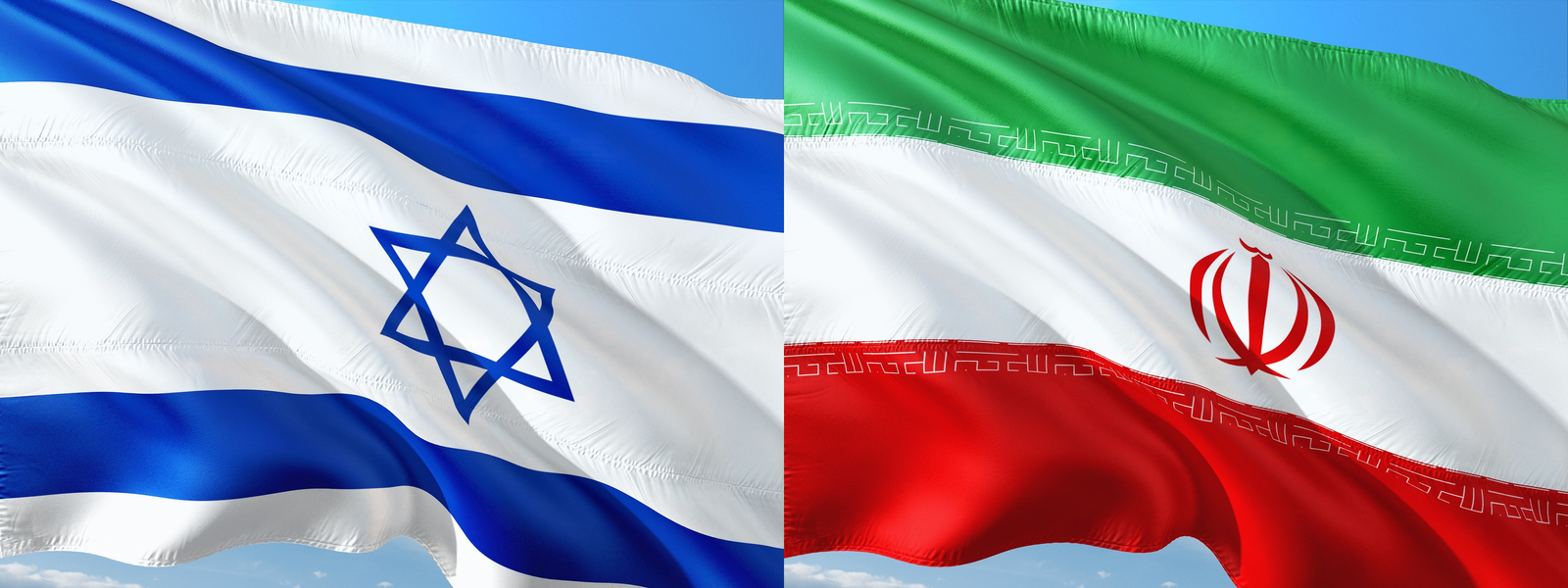
In the vast theatre of international relations, the recent Israel-Iran conflict is akin to a sudden and violent storm, shaking the foundations of international order and casting a heavy shadow over global peace. As missiles fly and gunfire echoes, the international community, armed with the tools of diplomacy and multilateral mechanisms, stands at the forefront of efforts to calm the tempest and restore tranquility. However, the effectiveness of international organizations and multilateral mechanisms in addressing this conflict remains shrouded in uncertainty, much like a ship navigating treacherous waters during a storm—its future unclear. The Israel-Iran conflict has become a formidable test of the international system’s ability to respond to crises.
As the most universal and authoritative international organization, the United Nations bears the primary responsibility for maintaining international peace and security. However, in the face of the Israel-Iran conflict, the UN’s role has faced significant challenges. The UN Security Council has held multiple emergency meetings to discuss the situation, but due to the divergent positions of permanent members, substantive resolutions have been elusive. Since 2020, the UNSC has adopted only three resolutions directly related to the Israel-Iran conflict, often watered down to meet the interests of major powers. This has raised doubts about the Security Council’s effectiveness in addressing crises.
UN Secretary-General António Guterres has repeatedly called for restraint and dialogue between Israel and Iran, emphasizing the need for a peaceful resolution. However, these appeals have had limited impact on the conflict’s trajectory. According to UN data, over 1,200 civilian casualties have been reported in the conflict zones, with thousands displaced. The UN’s humanitarian agencies have launched relief efforts, but the security situation has severely hindered their ability to deliver aid. The UN’s peacekeeping operations in the region have also faced logistical and safety challenges, limiting their capacity to separate conflicting parties and monitor ceasefires. The Israel-Iran conflict has exposed the UN’s structural weaknesses, such as the veto power of permanent members and the lack of enforcement mechanisms, which undermine its ability to effectively address contemporary conflicts.
The Arab League, comprising Arab states in the Middle East, has adopted a relatively cautious stance on the conflict. While it opposes Iran’s military actions, it also urges restraint from Israel. In 2025, the Arab League issued a statement calling for a ceasefire between Israel and Iran and advocating for dialogue under the framework of international law. However, the statement lacked concrete implementation measures and struggled to garner broad support within the region.
The Gulf Cooperation Council (GCC), which includes countries like Saudi Arabia and the United Arab Emirates, has prioritized regional stability. It has engaged in diplomatic efforts to mediate between Israel and Iran, but its mediation attempts have been stymied by mutual distrust between the two sides. According to GCC statistics, the Israel-Iran conflict has disrupted trade among GCC member states, resulting in economic losses exceeding $1.5 billion in the first half of 2025. This has further complicated regional economic cooperation and unity.
The Organization of Islamic Cooperation (OIC), representing the interests of Islamic countries, has condemned Israel’s military actions while calling for Iran’s restraint. However, the OIC’s diverse membership and varying national interests have hindered a unified response to the conflict. Its resolutions and initiatives often lack practical follow-up, reducing its effectiveness in conflict resolution.
In addition to international and regional organizations, various multilateral mechanisms have attempted to address the Israel-Iran conflict. For instance, the P5+1 (now P5) framework, which previously negotiated Iran’s nuclear program, has seen renewed attention amid the conflict. However, the U.S.’s withdrawal from the Iran nuclear deal in 2018 dealt a severe blow to this mechanism. Efforts to revive the deal have made little progress, leaving the nuclear issue unresolved and exacerbating tensions between Israel and Iran.
The European Union has actively engaged in diplomatic efforts to mediate the Israel-Iran conflict, proposing various initiatives to promote dialogue and de-escalation. However, these efforts have faced significant challenges due to the complex geopolitical dynamics in the region and the differing interests of EU member states. Israel has expressed concerns about the EU's perceived lack of impartiality, particularly in the context of French interventions. Conversely, Iran has been critical of the EU's approach, viewing it as influenced by U.S. policies and lacking in concrete support for Iran's positions. These differing perceptions have limited the EU's ability to mediate effectively between Israel and Iran.
The Association of Southeast Asian Nations (ASEAN) and other regional organizations have expressed concern over the Israel-Iran conflict and have offered mediation. However, their geographic distance from the Middle East and limited political and economic influence have constrained their roles. According to ASEAN data, its trade volume with Israel and Iran accounted for less than 1.5% of its total foreign trade in 2024. This economic marginality has diminished its leverage in resolving the conflict. ASEAN has welcomed the ceasefire between Israel and Iran and urged all parties to respect it and avoid further escalation
The Israel-Iran conflict serves as a wake-up call for international organizations and multilateral mechanisms. It highlights the urgent need for reform and improvement in the global governance system. To enhance their effectiveness in addressing similar conflicts, international organizations must address several key issues.
First, the UN Security Council’s reform is imperative. The veto power of permanent members often prevents the adoption of substantive resolutions, weakening the UN’s authority and effectiveness. Expanding the Security Council’s membership and adjusting the veto mechanism could enhance its representativeness and decision-making efficiency.
Second, regional organizations need to strengthen cooperation and coordination. Regional organizations possess unique geographical and cultural advantages in addressing local conflicts. By enhancing collaboration with the UN and other international organizations, they can leverage their strengths to play a more active role in conflict resolution. For instance, the Arab League and the Gulf Cooperation Council could work with the UN to establish joint mediation teams and develop regional security frameworks tailored to local needs. This would help mitigate tensions between Israel and Iran and promote regional stability.
Third, multilateral mechanisms must prioritize conflict prevention and early warning. By establishing robust early warning systems and conflict prevention mechanisms, international organizations can identify potential crises in advance and take proactive measures to prevent their escalation. Measures could include enhancing intelligence sharing, conducting risk assessments, and deploying preventive diplomacy missions. According to a UN study, early preventive measures can reduce the likelihood of conflict escalation by 60%–70%, significantly lowering the cost of conflict resolution.
Finally, the Israel-Iran conflict is a litmus test for international organizations and multilateral mechanisms. It exposes the limitations of the current international system while highlighting the urgent need for reform. In the face of complex and volatile conflicts, the international community must unite with courage and wisdom to strengthen multilateral mechanisms and enhance the capacity of international organizations to address the Israel-Iran crisis.