

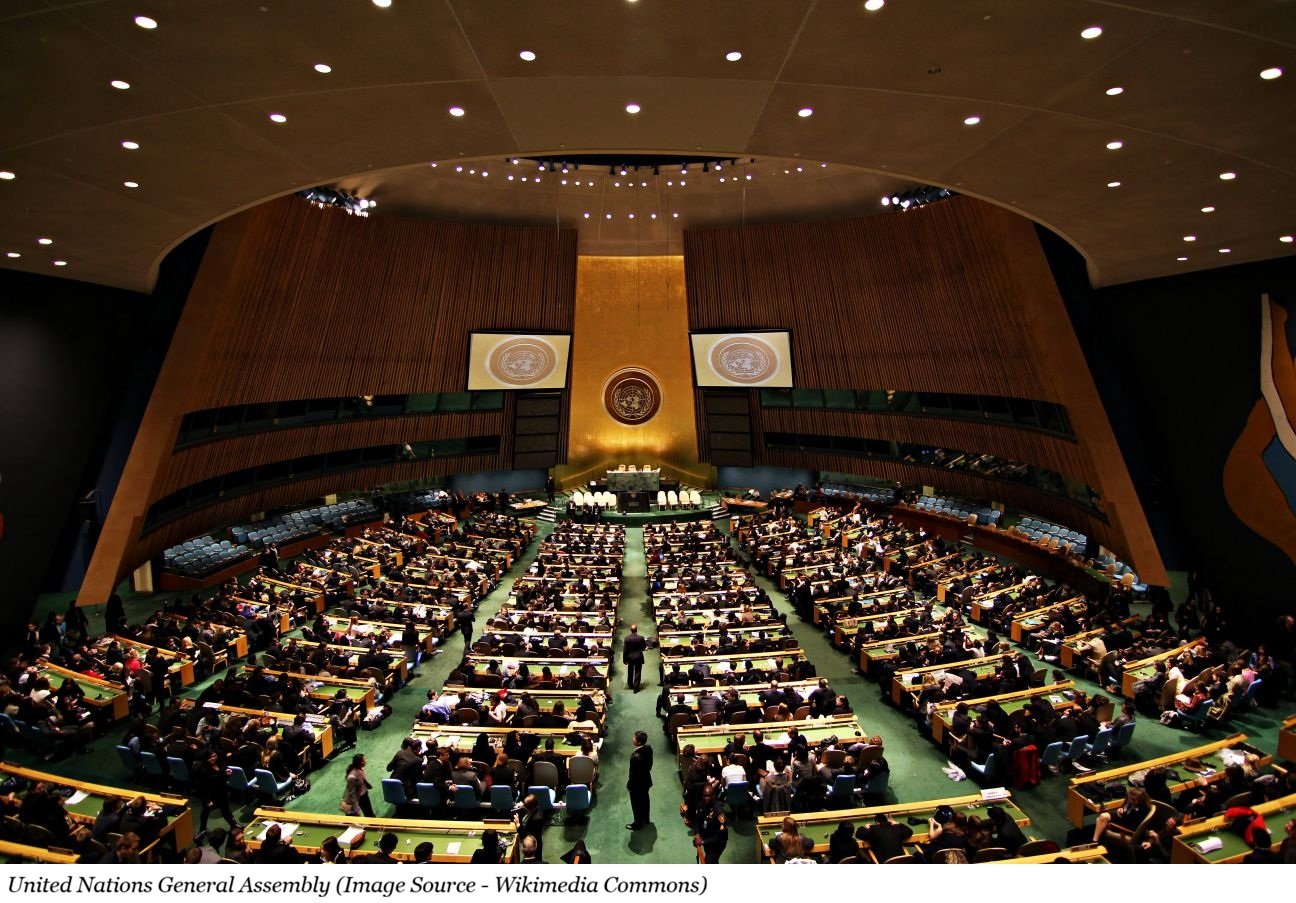
The global political system is becoming more complex due to increasing conflicts, climate change, economic challenges, and health crises. In this changing global environment, the United Nations plays a major role in maintaining peace, promoting development, and encouraging cooperation between countries. Since its establishment in 1945, the United Nations has worked to prevent wars and solve global problems through dialogue and collective action. However, as global challenges continue to evolve, the future of the United Nations in global governance has become an important topic of discussion.
Role of the United Nations in Global Governance
Global governance refers to the system through which international issues are managed by cooperation among countries. The United Nations provides a platform where countries discuss global problems and work together to find solutions. It focuses on maintaining peace, protecting human rights, promoting sustainable development, and providing humanitarian assistance.
One of the most important parts of the United Nations is the United Nations Security Council (UNSC). This body is responsible for maintaining international peace and security. It has the authority to impose sanctions, approve peacekeeping missions, and take actions to stop conflicts. The Security Council has played an important role in resolving international disputes and preventing global wars.
The United Nations also works through specialized agencies such as the, which focuses on global health, and the United Nations Children’s Fund (UNICEF), which supports child welfare and education. These agencies help address social and humanitarian challenges across the world.
Achievements of the United Nations
The United Nations has achieved several important successes in global governance. It has helped reduce conflicts by sending peacekeeping forces to conflict areas. According to UN reports, more than 70 peacekeeping missions have been conducted since 1948. These missions have helped stabilize regions affected by war and violence.
The United Nations has also played a major role in global development through programs like the Sustainable Development Goals (SDGs). These goals focus on reducing poverty, improving education, promoting gender equality, and protecting the environment. Many countries use these goals as a guideline for national development policies.
Another major achievement of the United Nations was its response to global health emergencies. During the COVID-19 pandemic, organizations like the World Health Organization coordinated international health strategies, vaccine distribution, and medical research cooperation. These efforts showed the importance of global cooperation in solving international crises.
Challenges Facing the United Nations
Despite its achievements, the United Nations faces several challenges that affect its future role in global governance. One major challenge is the need for reform in the Security Council. The current structure of the council reflects the global power balance after World War II. However, many developing countries believe that it does not represent modern global realities.
Countries such as India, Brazil, and Germany have demanded permanent membership in the Security Council to improve global representation. Experts believe that without reform, the effectiveness and credibility of the Security Council may decrease in the future.
Another challenge is political disagreement among powerful countries. Differences between major powers often make it difficult for the United Nations to take strong and unified action. In many international conflicts, disagreements between permanent Security Council members slow decision-making and reduce the organization’s effectiveness.
Financial limitations also affect the United Nations. The organization depends on contributions from member countries. Delays in funding or reduction in contributions can weaken humanitarian programs and peacekeeping missions.
Changing Global Power Structure
The world is moving toward a multipolar system where several countries share global influence. The rise of emerging economies such as , , and has changed global power distribution. This shift requires the United Nations to adapt its governance structure to include new global leaders.
The organization must ensure equal participation of developed and developing nations in global decision-making. By becoming more inclusive, the United Nations can strengthen its legitimacy and effectiveness in solving global challenges.
Role in Climate Change and Sustainable Development
Climate change is one of the biggest global challenges of the 21st century. The United Nations plays a key role in promoting environmental protection and sustainable development. It organizes international climate conferences and encourages countries to reduce carbon emissions.
The United Nations also works closely with organizations like the and the to support economic development and environmental sustainability. These partnerships help countries manage climate risks and promote green economic growth.
In the future, climate change cooperation will become one of the most important areas of United Nations governance. Strong international agreements and financial support for developing countries will be necessary to address environmental challenges.
Technology and Digital Governance
Rapid technological development has created new challenges such as cybersecurity threats, artificial intelligence regulation, and digital privacy issues. The United Nations is expected to play an important role in creating international rules for digital governance.
Global cooperation is required to regulate artificial intelligence and ensure safe and ethical use of technology. The United Nations can provide a platform for countries to develop global digital policies and promote technological cooperation.
Humanitarian and Peacekeeping Role in the Future
Humanitarian crises caused by war, natural disasters, and economic instability continue to increase worldwide. The United Nations will remain essential in providing emergency relief, refugee support, and disaster management.
Peacekeeping operations are also expected to remain a major responsibility of the organization. As conflicts become more complex, the United Nations must improve peacekeeping strategies and use modern technology for conflict resolution.
Future Prospects of the United Nations
The future of the United Nations depends on its ability to adapt to changing global conditions. Experts suggest that structural reforms, improved decision-making systems, and stronger cooperation between countries will be necessary for the organization to remain effective.
The United Nations must also focus on inclusive governance by giving greater representation to developing countries. Strengthening partnerships with regional organizations and international financial institutions can improve global cooperation.
If the organization successfully adapts to modern global challenges, it will continue to play a central role in maintaining peace, promoting development, and solving global problems.
Conclusion
The United Nations has played a vital role in global governance since its formation. It has contributed significantly to peacekeeping, humanitarian assistance, and sustainable development. However, changing global power structures, political disagreements, and emerging global challenges require reforms in the organization.
In the future, the United Nations will remain an important institution for global cooperation. Its success will depend on its ability to adapt, remain inclusive, and promote international unity. As global problems become more interconnected, the role of the United Nations in global governance will become even more important.