


In the 21st century, the global balance of power has undergone significant changes. Among these changes, the rise of China as a global superpower is one of the most important developments. Once considered a developing country, China has transformed into a major economic, political, and military force. Its rapid growth, strong industrial base, and increasing global influence have reshaped international relations and global trade systems. Today, China is widely recognized as one of the most powerful nations in the world and a key competitor to the United States in shaping global order.
Historical Background of China’s Rise
China’s rise as a global power began after economic reforms introduced in 1978. Before these reforms, China had a closed and centrally planned economy. However, economic liberalization allowed foreign investment, industrial growth, and expansion of exports. Over the next few decades, China integrated itself into global markets and became the world’s manufacturing hub.
China’s economic growth has been extraordinary. According to international data, China’s share in global GDP increased from about 4.5% in 1980 to around 18.6% in 2023. This rapid growth allowed China to surpass many developed countries and become one of the largest economies in the world. Additionally, China overtook the United States in global GDP measured by purchasing power parity in 2016, showing its increasing economic strength.
Economic Strength and Global Trade Dominance
Economic power is one of the main reasons behind China’s global influence. China is currently the world’s largest economy in terms of purchasing power parity, with an estimated GDP of about $43 trillion in 2025. It contributes nearly 19.6% of global GDP, making it one of the most influential economies worldwide.
China’s trade performance has also been impressive. Its exports have increased significantly, and it is now among the world’s largest exporters. China accounts for approximately 14.3% of global exports and 11.7% of global imports, demonstrating its strong position in global supply chains.
Furthermore, China has become the largest trading partner for many countries. By 2023, nearly 70% of global economies were trading more with China than with the United States. This shows how China’s economic influence has expanded across continents.
China’s trade surplus has also grown significantly. Reports show that China recorded a trade surplus of more than $1 trillion in recent years, highlighting its strong export-driven economy.
Industrial and Technological Advancement
China’s manufacturing sector has played a major role in its rise as a superpower. The country produces large quantities of goods ranging from electronics to automobiles. China is also a major consumer of global resources. It accounts for about 60% of global aluminium demand, 55% of copper consumption, and nearly 50% of coal demand. This shows how China influences global commodity markets and industrial production worldwide.
In recent years, China has focused on technological innovation, including artificial intelligence, renewable energy, and digital infrastructure. These investments aim to strengthen China’s position as a technological leader and reduce dependence on foreign technology. China’s government has actively supported research and innovation, which has helped Chinese companies compete globally.
Belt and Road Initiative and Global Influence
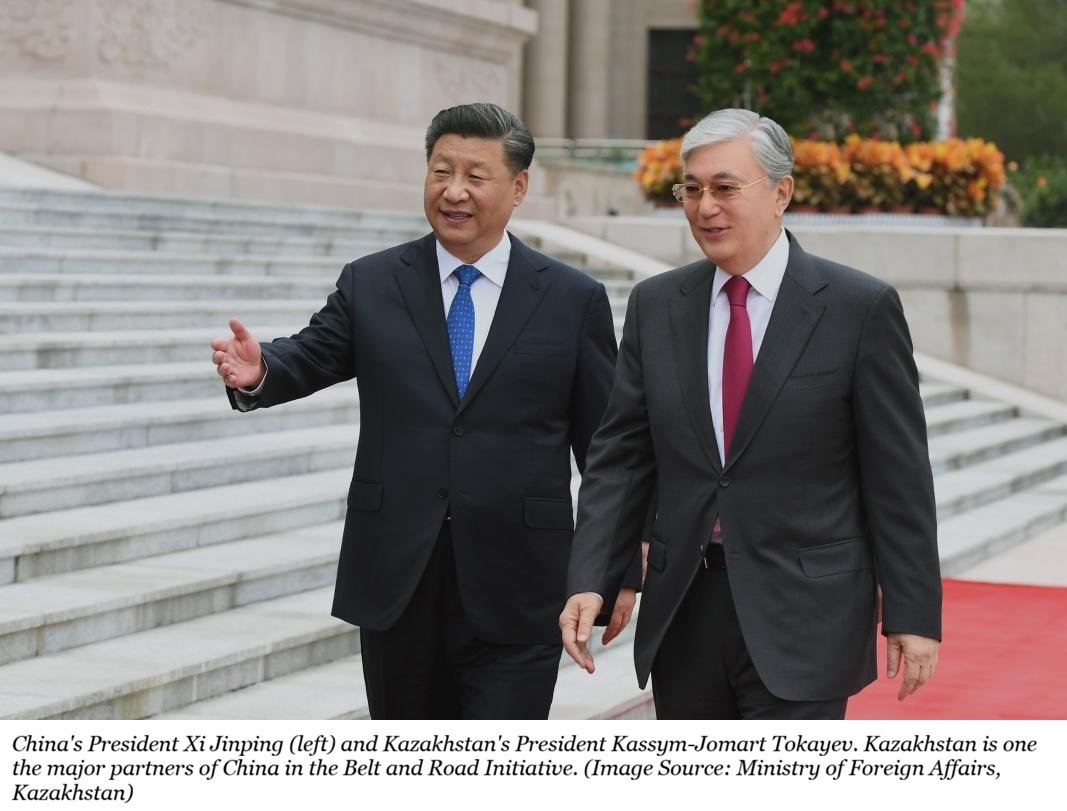
China has expanded its global influence through large infrastructure projects, especially through the Belt and Road Initiative (BRI). This initiative aims to improve trade routes, transportation, and connectivity between Asia, Europe, Africa, and other regions. More than 140 countries have joined the BRI, representing nearly 75% of the world’s population and over half of global GDP.
The BRI has helped China strengthen diplomatic relations and economic partnerships with developing countries. Studies suggest that this initiative can increase trade flows among participating countries and boost global economic growth. However, critics argue that some projects may create financial dependency on China.
Military and Strategic Power
Apart from economic growth, China has also strengthened its military capabilities. China has increased its defence spending and modernized its armed forces. The country is investing heavily in naval power, advanced weapons, and space technology. These developments allow China to protect its strategic interests and increase its global military presence.
China’s military modernization has raised concerns among other countries, especially in regions such as the South China Sea and the Indo-Pacific. As China’s military power grows, it plays a larger role in international security and geopolitical competition.
Political Influence and Global Governance
China’s rise has also influenced global political systems and institutions. China plays an important role in international organizations and promotes alternative development models that focus on infrastructure investment and state-led economic growth. Through global investments and loans, China has strengthened diplomatic ties with many countries.
China has provided more than $2.2 trillion in global lending since 2000, supporting infrastructure and technology projects in various nations. Such financial assistance helps China expand its strategic influence and global partnerships.
Challenges Facing China’s Rise
Despite its rapid growth, China faces several challenges. Economic growth has slowed in recent years due to rising debt, declining population growth, and problems in the real estate sector. China’s GDP growth rate reached about 5% in 2025, showing moderate growth compared to earlier decades of rapid expansion.
Additionally, trade tensions with Western countries, especially the United States, create economic and political challenges. Some analysts believe China’s economic growth may slow in the future due to structural problems and global competition.
Future Prospects
China is expected to remain a major global power in the coming decades. Forecasts suggest that China’s economy may exceed $23 trillion by 2030, reflecting its long-term economic potential.
China is also focusing on technological advancement, global trade expansion, and regional cooperation. These strategies aim to strengthen China’s leadership role in global affairs. However, China’s future influence will depend on its ability to manage economic challenges and maintain stable international relations.
Conclusion
China’s rise as a global superpower represents one of the most important developments in modern international politics. Through rapid economic growth, industrial expansion, technological innovation, and global infrastructure projects, China has transformed itself into a powerful global force. Its growing influence in trade, politics, and military affairs has reshaped the international system.
Although China faces economic and geopolitical challenges, it continues to play a major role in shaping the global future. The rise of China reflects the changing balance of global power and highlights the increasing importance of Asia in world affairs.