

Gender equality is one of the most important human rights issues in the modern world. It refers to the state in which individuals of all genders have equal rights, responsibilities, and opportunities. The global gender equality movement seeks to eliminate discrimination against women and girls and promote equal participation in political, economic, and social life. However, this movement does not operate within a single country; it is deeply influenced by international relations — the interactions between nations through diplomacy, trade, cooperation, and conflict.
International relations shape gender equality in powerful ways. Global agreements, international organizations, economic partnerships, wars, migration, and cultural exchange all influence how countries treat gender issues. Therefore, understanding the relationship between international relations and gender equality is essential to understanding global progress toward fairness and justice.
Role of International Organizations
International organizations play a crucial role in promoting gender equality worldwide. Bodies such as the United Nations (UN), World Bank, and International Monetary Fund (IMF) influence national policies through funding, guidelines, and monitoring.
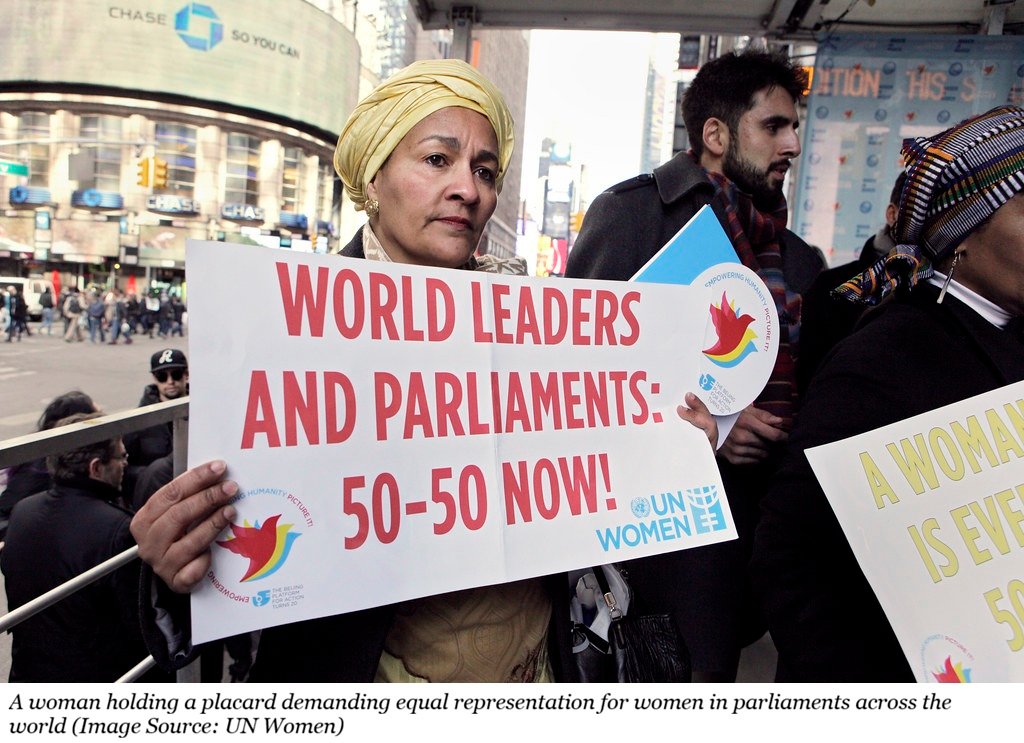
The United Nations has been particularly influential. Documents such as the Convention on the Elimination of All Forms of Discrimination Against Women (CEDAW) require member states to take concrete steps to eliminate gender discrimination. UN Women, a specialized UN agency, supports programs that promote women’s empowerment, political participation, and economic independence.
Through international cooperation, countries share best practices and learn from each other’s experiences. For example, successful policies on girls’ education or maternal health in one country can be adapted by others.
International Laws and Agreements
Global treaties and agreements create pressure on governments to adopt gender-equal policies. When countries sign international conventions, they commit to improving laws related to education, employment, health, and protection from violence.
For instance, the Sustainable Development Goals (SDGs), adopted by all UN member states, include Goal 5: Achieve gender equality and empower all women and girls. Countries are required to report progress regularly, encouraging accountability.
International agreements also influence domestic laws. Many countries have passed laws against child marriage, domestic violence, and workplace discrimination partly due to global pressure and standards.
Economic Relations and Globalization
Economic ties between countries strongly affect gender equality. Trade agreements, foreign investment, and globalization can create new opportunities for women — but they can also reinforce inequalities.
On the positive side, globalization has increased women’s participation in the workforce, especially in manufacturing, services, and technology sectors. International companies often promote workplace standards that include equal pay policies and anti-harassment measures.
However, globalization can also exploit women’s labor, particularly in low-wage industries such as garment production. In some developing countries, women work long hours for low pay with limited protections.
International financial institutions sometimes require economic reforms that reduce public spending, which can disproportionately affect women by limiting access to healthcare, childcare, and social services.
Political Relations and Diplomacy
Diplomatic relations influence gender equality through advocacy and policy exchange. Countries with strong democratic institutions often promote human rights, including gender equality, as part of their foreign policy.
For example, some nations provide development aid specifically targeted at women’s empowerment programs. Scholarships for girls, maternal health initiatives, and training for women entrepreneurs are often funded through international cooperation.
Political pressure can also encourage reforms. Governments seeking favorable relations with powerful nations or entry into international organizations may adopt gender-friendly policies to improve their global image.
Impact of Conflict and War
International relations also involve conflict, and wars have devastating effects on gender equality. Armed conflicts disproportionately affect women and girls, leading to displacement, poverty, sexual violence, and loss of access to education and healthcare.
Refugee crises often expose women to trafficking and exploitation. In conflict zones, social structures break down, and women frequently assume new roles as heads of households while lacking legal and economic support.
On the other hand, post-conflict reconstruction can create opportunities for advancing gender equality. International peacekeeping missions increasingly include gender perspectives, and peace agreements now often emphasize women’s participation in rebuilding societies.
Migration and Transnational Movements
Migration is another area where international relations intersect with gender issues. Economic migration, refugee movements, and diaspora communities reshape gender roles.
Women migrants often gain financial independence by working abroad, which can improve their status within families and communities. Remittances sent home contribute significantly to household welfare and national economies.
However, migrant women may face discrimination, unsafe working conditions, and lack of legal protection, especially in domestic work sectors. International labor agreements and human rights frameworks aim to address these challenges.
Cultural Exchange and Global Awareness
International relations facilitate cultural exchange through media, education, tourism, and digital communication. Exposure to global ideas about women’s rights can inspire social change.
Global movements such as #MeToo spread rapidly across borders, highlighting issues of sexual harassment and gender-based violence. International conferences, academic exchanges, and social media campaigns amplify women’s voices and create solidarity across nations.
At the same time, cultural differences can lead to resistance. Some societies view gender equality initiatives as external interference in traditional values, creating tensions in international relations.
Role of Non-Governmental Organizations (NGOs)
International NGOs play a major role in advancing gender equality. Organizations such as Amnesty International, CARE, and Oxfam work across borders to promote education, health, and economic opportunities for women.
These groups often operate in areas where governments lack capacity or willingness to act. They also advocate for policy reforms at both national and international levels.
Funding from foreign donors enables NGOs to implement programs such as microfinance for women entrepreneurs, campaigns against gender-based violence, and legal aid for victims of discrimination.
Challenges and Limitations
Despite progress, many obstacles remain. Political instability, economic inequality, cultural barriers, and lack of enforcement of laws hinder gender equality efforts.
International relations can sometimes worsen inequalities. For example, sanctions may damage economies and reduce funding for social programs, disproportionately affecting women. Geopolitical rivalries can divert attention and resources away from human rights issues.
Moreover, gender equality initiatives may be criticized as tools of political influence rather than genuine concern, leading to mistrust among nations.
Future Prospects
The future of the global gender equality movement depends heavily on continued international cooperation. Emerging issues such as climate change, digital transformation, and global health crises have gender-specific impacts that require coordinated responses.
Climate change, for instance, disproportionately affects women in developing countries who depend on natural resources for livelihoods. International climate policies increasingly recognize the need for gender-sensitive solutions.
Technological advancements also present opportunities. Digital education, online entrepreneurship, and global networks can empower women, but they also require efforts to close the gender digital divide.
Conclusion
International relations profoundly shape the global gender equality movement. Through organizations, treaties, economic partnerships, diplomacy, and cultural exchange, nations influence each other’s policies and practices regarding women’s rights. While globalization and cooperation have opened new opportunities for empowerment, conflicts, economic inequalities, and cultural tensions continue to pose challenges.
Achieving gender equality worldwide requires sustained collaboration among governments, international institutions, civil society, and individuals. It is not merely a domestic issue but a global responsibility. As countries become increasingly interconnected, progress toward gender equality in one region can inspire change in another.
Ultimately, strengthening international cooperation while respecting cultural diversity is key to building a world where all genders enjoy equal rights, dignity, and opportunities.