

Global migration refers to the movement of people across international borders for reasons such as employment, education, safety, or better living conditions. In today’s interconnected world, migration has become one of the most significant factors shaping international relations. It influences diplomacy, economic cooperation, security policies, and cultural exchange between countries. Migration can strengthen ties between nations through shared interests, but it can also create tensions due to political, economic, and social challenges.
Understanding the impact of global migration on international relations is essential because migration affects not only migrants themselves but also the countries they leave and the countries they enter. Governments must cooperate to manage migration effectively while protecting human rights and national interests.
Economic Impact on Bilateral Relations
Migration plays a major role in shaping economic relations between countries. Migrant workers contribute significantly to the economies of host countries by filling labor shortages in sectors such as construction, agriculture, healthcare, and domestic services. At the same time, they send remittances — money transferred to families in their home countries — which supports development and reduces poverty.
Remittances strengthen economic ties between sending and receiving countries. For many developing nations, remittances form a substantial part of national income. Countries often negotiate labor agreements to regulate the movement of workers and protect their rights. For example, agreements between labor-exporting countries and Gulf nations govern employment conditions for migrant workers.
However, economic migration can also create tensions. Host countries may fear job competition, wage suppression, or pressure on public services. These concerns can influence trade negotiations and diplomatic relations.
Political and Diplomatic Effects
Migration is a major political issue in many countries, influencing foreign policy decisions. Governments must balance humanitarian responsibilities with domestic political pressures. Large migration flows can lead to negotiations over border control, asylum policies, and repatriation agreements.
Diplomatic relations can be strengthened when countries cooperate to manage migration. Joint efforts to combat human trafficking, improve border management, and facilitate legal migration channels promote mutual trust.
On the other hand, disputes over migration can strain relations. For instance, disagreements over refugee acceptance or deportation policies may lead to diplomatic conflicts. Some countries accuse others of failing to control illegal migration, which can affect broader political cooperation.
Security Concerns
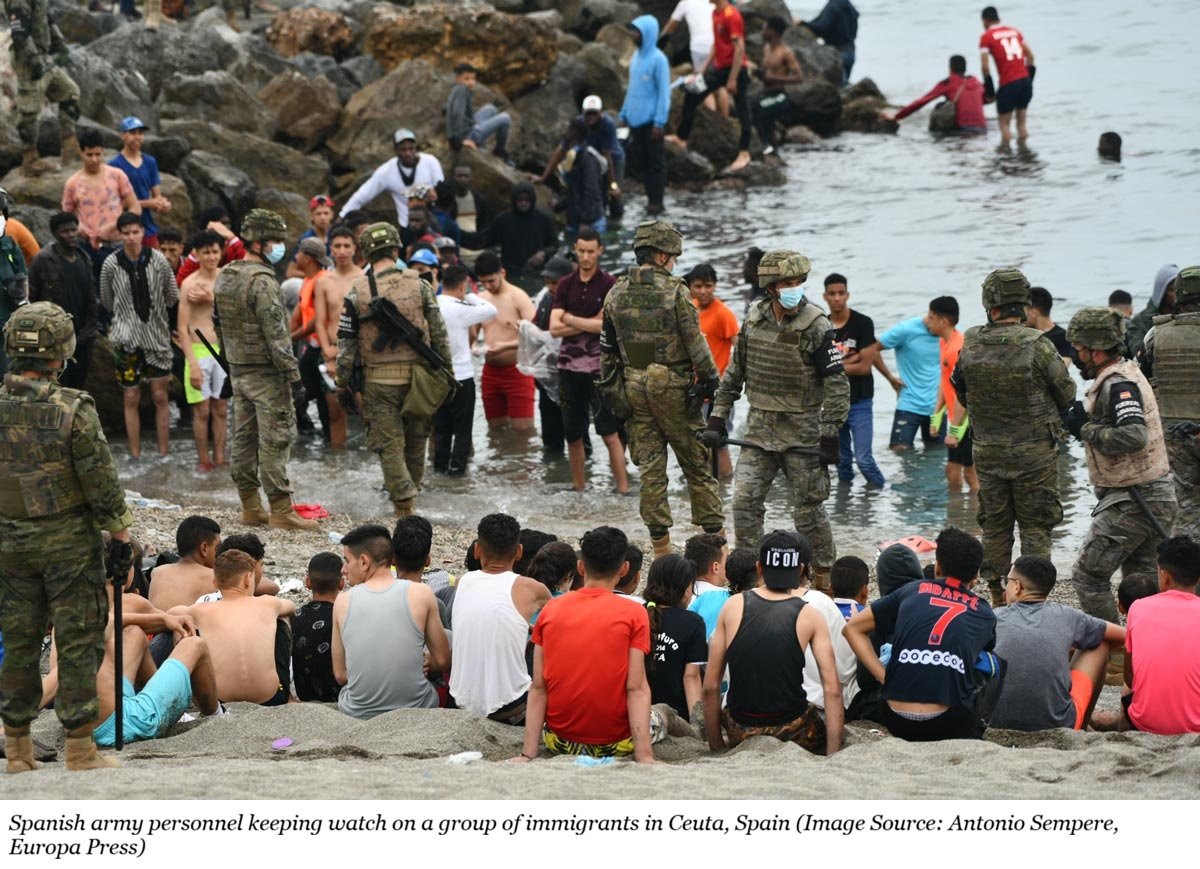
Migration is closely linked to international security issues. Governments worry about illegal immigration, cross-border crime, terrorism, and trafficking networks. These concerns often lead to stricter border controls and surveillance measures.
International cooperation is essential to address these challenges. Countries share intelligence, conduct joint patrols, and participate in multilateral agreements to ensure safe migration practices.
However, excessive focus on security can lead to human rights concerns. Migrants may face detention, discrimination, or limited access to legal protection. Balancing security with humanitarian principles is a major challenge in international relations.
Humanitarian and Refugee Issues
Conflicts, persecution, and natural disasters force millions of people to flee their homes each year. Refugee crises require coordinated international responses, as no single country can handle large influxes alone.
Humanitarian migration often leads to cooperation through organizations such as the United Nations High Commissioner for Refugees (UNHCR). Countries provide financial assistance, resettlement programs, and emergency aid.
However, refugee movements can also create political tensions. Neighboring countries may bear disproportionate burdens, leading to demands for international support. Disagreements over responsibility-sharing can strain alliances and regional stability.
Cultural Exchange and Soft Power
Migration promotes cultural exchange, which can strengthen international relations through mutual understanding. Migrant communities introduce languages, traditions, cuisine, art, and ideas to host societies, enriching cultural diversity.
Diaspora communities often act as bridges between countries. They maintain connections with their homeland while contributing to their host country’s economy and society. These communities can influence foreign policy by advocating for stronger bilateral relations.
Education migration also plays a role. International students build networks that foster long-term cooperation in business, science, and diplomacy.
However, cultural differences can sometimes lead to social tensions, discrimination, or identity conflicts, which may affect diplomatic relations.
Impact on Development and Global Inequality
Migration is closely linked to global inequality. People often move from less developed countries to more developed ones in search of better opportunities. This movement can reduce poverty in sending countries through remittances and skill development.
At the same time, migration can lead to “brain drain,” where highly skilled workers leave their home countries, weakening local institutions such as healthcare and education systems. To address this issue, countries negotiate agreements that encourage skill exchange or return migration.
Development cooperation programs increasingly include migration management as a key component, recognizing its role in global economic stability.
Role of International Organizations
International organizations play a vital role in managing migration and shaping related policies. Institutions such as the International Organization for Migration (IOM) and the United Nations coordinate global efforts to ensure safe, orderly, and regular migration.
Global frameworks like the Global Compact for Migration promote cooperation among countries while respecting national sovereignty. These initiatives encourage information sharing, capacity building, and protection of migrant rights.
Through international forums, countries discuss challenges such as climate migration, human trafficking, and labor mobility, fostering collective solutions.
Migration and Regional Cooperation
Regional migration patterns often lead to the formation of cooperative agreements. For example, regional organizations may allow free movement of people for work or residence, strengthening economic integration.
Such arrangements can enhance political stability and economic growth. However, unequal migration flows within regions may create tensions if some countries feel overburdened.
Challenges and Controversies
Despite its benefits, migration remains a highly sensitive issue. National identity concerns, economic fears, and political ideologies influence public opinion and policy decisions.
Populist movements in some countries oppose immigration, leading to stricter policies and reduced international cooperation. Media narratives can also shape perceptions of migrants, sometimes exaggerating security risks.
Climate change is emerging as a new driver of migration, creating additional challenges for international relations. Rising sea levels, droughts, and extreme weather events are expected to displace millions in the coming decades.
Future Prospects
As globalization continues, migration will remain a central issue in international relations. Aging populations in developed countries will likely increase demand for migrant labor, while economic disparities and environmental changes will continue to drive migration flows.
Technological advancements may improve migration management through digital identity systems, data sharing, and remote work opportunities. International cooperation will be essential to ensure that migration benefits both migrants and host societies.
Policies that emphasize legal pathways, protection of rights, and integration strategies can transform migration into a positive force for global development.
Conclusion
Global migration has a profound and multifaceted impact on international relations. It influences economic cooperation, diplomatic negotiations, security policies, humanitarian efforts, and cultural exchange. While migration can strengthen ties between nations through labor mobility and diaspora connections, it can also create tensions related to security, political pressures, and social integration.
Effective management of migration requires cooperation, empathy, and balanced policies that respect both national interests and human rights. As the world becomes increasingly interconnected, migration will continue to shape the relationships between countries.
Ultimately, global migration is not merely a challenge to be managed but an opportunity to build stronger, more cooperative international relations that promote shared prosperity and understanding among nations.