

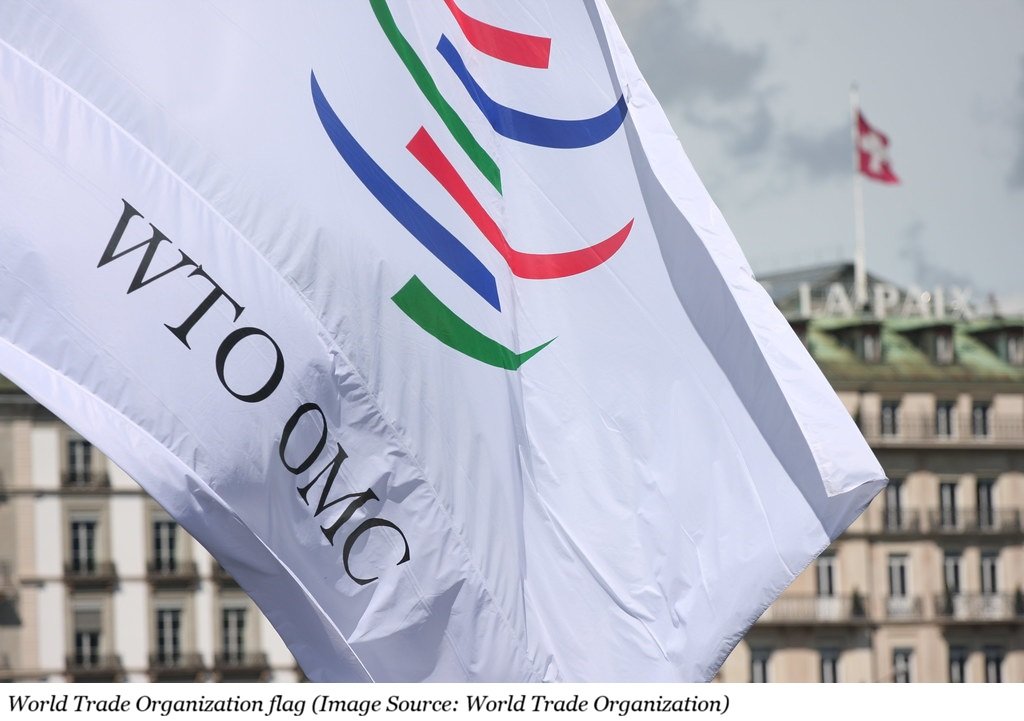
The World Trade Organization (WTO), established in 1995 under the Marrakesh Agreement, is the principal international institution that governs global trade. Over the past three decades, it has provided a rules-based multilateral forum for negotiating trade agreements, managing tariff reductions, and settling disputes among its 160+ member states. However, rapid technological change, rising geopolitical tensions, and structural challenges have put the WTO at a pivotal crossroads, necessitating urgent reforms to ensure its continued relevance in the 21st century.
Current Challenges Facing the WTO
Despite its critical role, the WTO faces several deep-seated challenges:
Stalled Dispute Settlement Mechanism
A key pillar of the WTO, the Appellate Body that adjudicates trade disputes, has been non-functional since 2019, weakening enforcement of trade rules and undermining member confidence in the system.
Negotiation Deadlocks
Long-standing negotiations (such as the Doha Round) remain unresolved due to conflicting interests among developed and developing countries, detracting attention from contemporary trade issues like digital commerce and climate-linked trade measures.
Geopolitical and Protectionist Pressures
Unilateral tariffs and rising trade restrictions by major economies have strained the multilateral trading system, challenging WTO principles such as Most-Favoured Nation (MFN) treatment.
Evolving Global Economy
The WTO’s existing frameworks are ill-equipped to effectively govern emergent trade dimensions, including cross-border data flows, digital services regulation, and state subsidies in new sectors.
These structural impediments have led policymakers and economic analysts to widely call for reform. The WTO itself has acknowledged that the current status quo is unsustainable amid rapid technological transformations and complex global trade dynamics.
Reform Trajectory and Institutional Evolution
Reform efforts are underway, with a focus on revitalizing the organization to defend multilateralism while responding to 21st-century economic realities:
Digital Trade and AI Regulation
Digitalization and artificial intelligence (AI) are reshaping global commerce. The WTO’s 2025 World Trade Report highlights the need for new standards on data flows, algorithmic transparency, and digital services governance to prevent regulatory fragmentation and ensure inclusive participation.
Environmental and Sustainable Trade Policies
Recent accomplishments, such as the WTO’s Agreement on Fisheries Subsidies, demonstrate the potential for integrating sustainable trade goals into multilateral frameworks that address environmental concerns.
Member-Led Reform Initiatives
Various member states, including India, have proposed strategic reform agendas focusing on equitable technology transfer, greater transparency, and strengthening multilateral governance, reflecting a broader desire for a reformed WTO that balances diverse national priorities.
The Role of Emerging Issues
As global trade evolves, the WTO is increasingly expected to address non-traditional aspects—such as climate change-linked trade measures, digital commerce norms, and sustainable development objectives—to stay relevant. Its capacity to adapt will influence global economic stability and cooperative trade relations for decades to come.
Conclusion
The future of the World Trade Organization hinges on its ability to reconceptualize itself as a dynamic, transparent, and inclusive institution. Reforming the dispute settlement mechanism, modernizing trade rules for digital and sustainable economies, and fostering consensus among diverse member interests are essential steps towards restoring credibility and effectiveness. While challenges are significant, a rejuvenated WTO can remain the backbone of orderly global trade and multilateral cooperation in an increasingly interconnected world.