


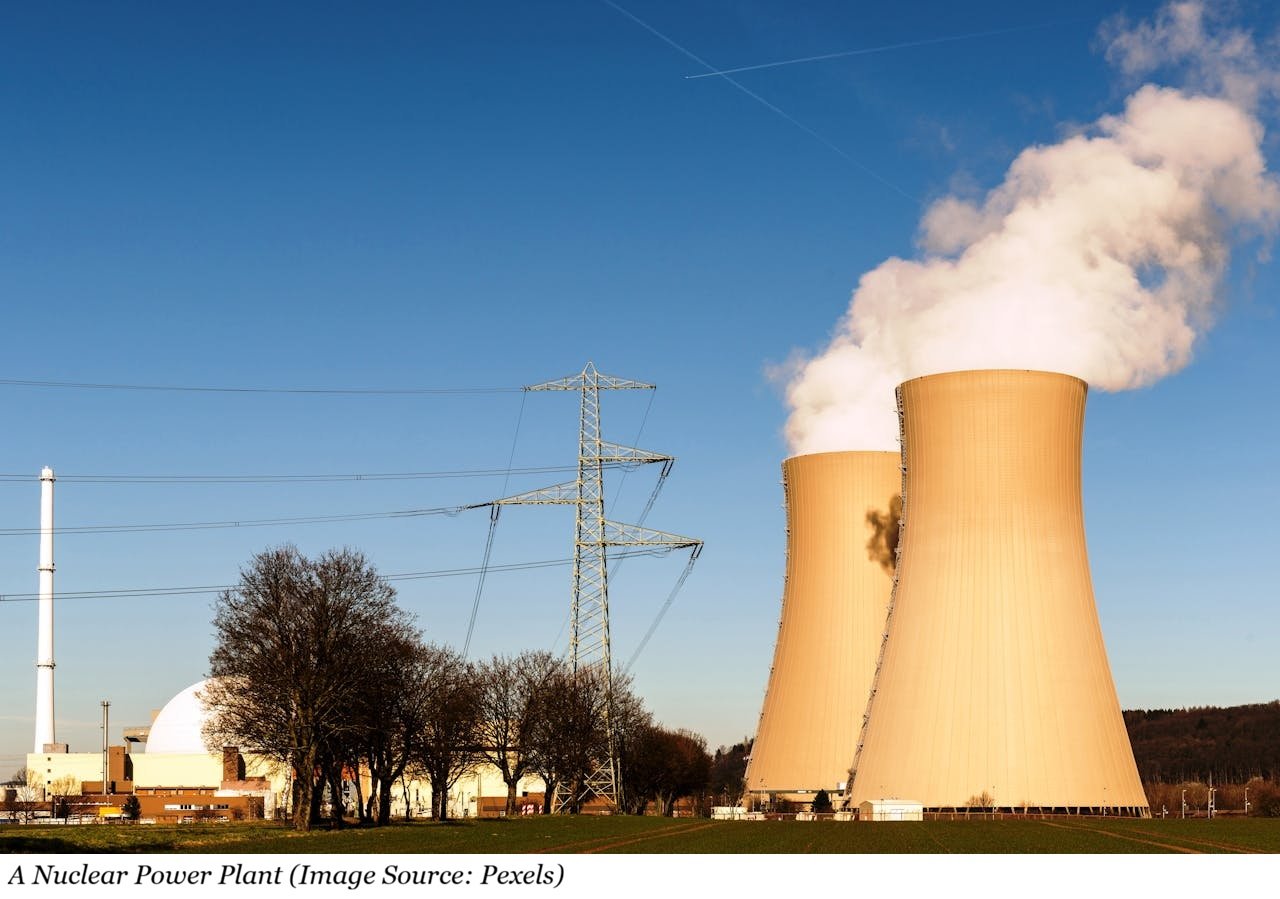
Every year, the World Nuclear Association (WNA) publishes its World Nuclear Performance Report—a detailed check-up on how the planet's nuclear power plants are doing. Based on the latest data available, this report for 2025 reveals a clear and powerful story: the world's existing nuclear reactors are performing with incredible reliability, proving they are essential for clean and secure electricity. However, this success is tempered by the slow progress in building new reactors where they are most needed.
The Undisputed Champions of Reliability
Think about what you want from a major source of electricity. You want it to be there when you need it—day and night, in summer heat or winter storms, whether the wind is blowing or not. This is where nuclear power shines.
The report's most important number is called the "capacity factor." This is simply the percentage of time a power plant is running at full power. A high score means it's a dependable workhorse.
In 2025, the global nuclear fleet achieved an average capacity factor of over 80%. That's an A+ grade. To put this in perspective:
● Nuclear: Over 80%
● Natural Gas Plants: About 50-60%
● Wind Farms: 30-45%
● Solar Farms: 15-25%
This means a nuclear plant produces maximum power more than 8 out of every 10 hours of the year. This unmatched reliability makes nuclear energy the stable backbone of the electricity grid. It provides what experts call "baseload power"—the constant, non-stop flow of electricity that our hospitals, factories, and cities rely on.
The Clean Energy Powerhouse
This steady performance has a massive benefit for our planet: huge reductions in carbon emissions.
Because nuclear plants run so consistently and don't burn fossil fuels, they displaced an estimated 2.1 billion tonnes of carbon dioxide in the past year. That's equivalent to taking more than 300million gasoline-powered cars off the road for an entire year.
Faced with this proven climate benefit, many countries are making a smart decision: instead of closing older plants, they are giving them "lifetime extensions." By carefully inspecting and upgrading key components, regulators in the United States, Europe, and elsewhere are allowing these reactors to operate safely for an additional 20 to 30 years. This is one of the fastest and most cost-effective ways to maintain large amounts of clean electricity.
The Two-Speed World of Nuclear Construction
While operating reactors are a success story, building new ones tells a different tale. The world is split into two camps.
● The Fast Track: Asia's Efficient Approach
● China continues to lead the world. They are building reactors like a well-organized factory line, often starting up several new units each year. Their secret is standardization—using the same proven design (like the Hualong One reactor) over and over. This creates efficiency, a skilled workforce, and keeps costs under control.
● South Korea and India are also following this model, adding new nuclear capacity steadily and predictably.
● The Slow Lane: The West's Struggle with Megaprojects
In Europe and North America, recent attempts to build large new reactors have been plagued by extreme delays and budget overruns. Projects that were planned for 7 years have taken 15+ years. Costs have often doubled or tripled from the original estimate.
Why the struggle? In many Western countries, the industrial know-how for large-scale nuclear construction was lost during a decades-long pause in building. Each new project becomes a one-of-a-kind "megaproject," facing first-of-a-kind engineering challenges, supply chain issues, and regulatory delays. This makes financing these projects very difficult and risky for investors.
The New Hope: Small Modular Reactors (SMRs)
To solve this construction crisis, the global industry is betting big on a new idea: Small Modular Reactors (SMRs).
Imagine building a nuclear reactor more like a jet engine or a submarine module. Instead of constructing a giant complex on-site, key parts of a smaller, simpler reactor are built in a factory under strict quality control. These modules are then shipped to the site and assembled.
The promise of SMRs is compelling:
● Lower Cost: Factory production is more efficient than custom field construction.
● Faster Build Time: Site work and module fabrication happen simultaneously, cutting construction from a decade to just a few years.
● Flexible Placement: They can be used to replace old coal plants (using existing grid connections) or power remote industrial sites.
The 2025 report highlights that SMRs are moving from blueprints to real-world projects. Countries like Canada, the United Kingdom, Poland, and the United States have active SMR projects in the licensing, planning, or early construction phases. While no Western-designed SMR is powering a grid yet, the momentum is undeniable. This is the industry's pathway to rebuilding its ability to deliver new projects on time and on budget.
Challenges That Remain
The report doesn't shy away from the industry's ongoing hurdles:
1. The Waste Question: Used nuclear fuel is currently stored safely at reactor sites in robust containers. However, the long-term plan for permanent, deep geological repositories is still a work in progress in most nations. Finland has led the way, opening the world's first such repository, proving a solution exists.
2. The Financing Puzzle: Who wants to lend billions of dollars for a project that might not generate revenue for 15 years? New models—where governments share the risk or guarantee a price for the clean electricity—are being developed to attract private investment.
3. Public Perception: Opinions on nuclear energy are mixed. For some, it's a vital climate solution. Others have concerns about safety. However, recent global energy crises and the urgent need to cut emissions have led to a noticeable shift. More people and governments now see nuclear as a necessary part of a diverse, clean, and secure energy mix.
Conclusion: The 2025 Verdict
The World Nuclear Performance Report 2025 paints a picture of an industry that is absolutely critical today but must evolve for tomorrow.
● Today's Reality: The existing global nuclear fleet is a top-performing, low-carbon champion. It is the most reliable source of clean electricity we have, and keeping these plants running is a climate imperative.
● Tomorrow's Challenge: To grow and replace aging plants, the industry must successfully transition to new ways of building. The future hinges on proving that Small Modular Reactors can deliver on their promise of affordable, deployable, and clean nuclear power.
In short, nuclear energy in 2025 is not a fading technology, but a foundational one being given a new lease on life. Its future growth, however, depends on learning from the past and successfully building a new, more agile model for what comes next.