


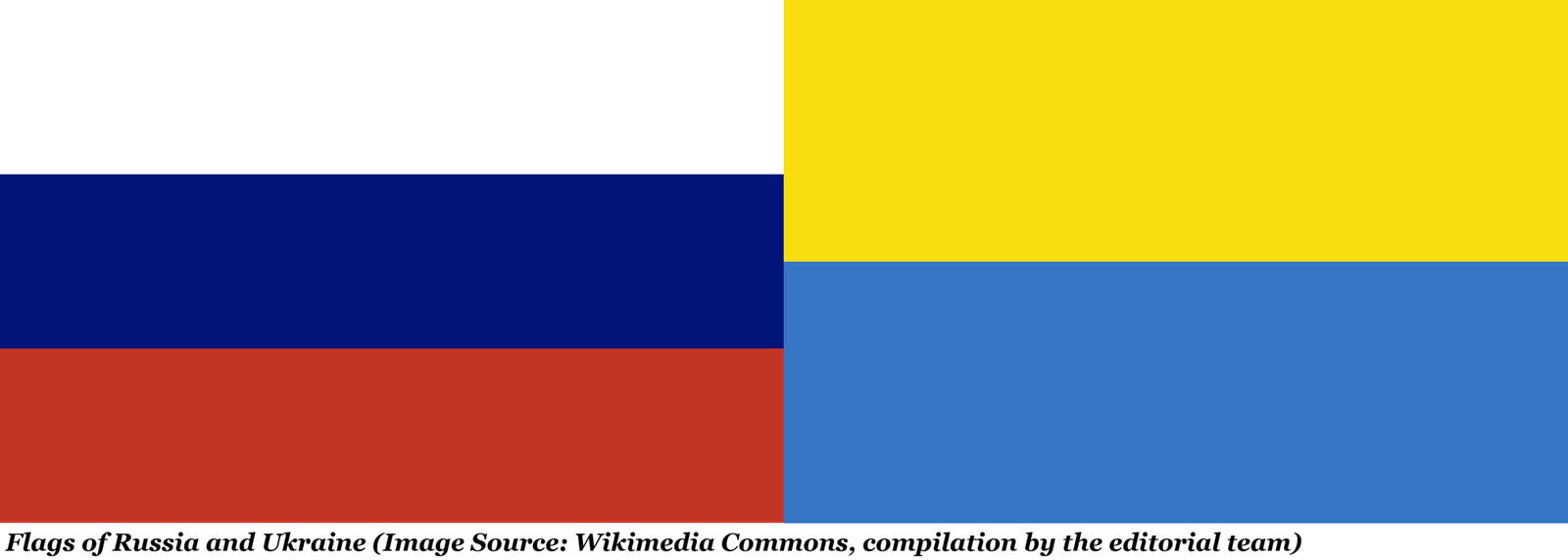
The Russia–Ukraine war, which escalated into a full-scale invasion in February 2022, stands as one of the most significant geopolitical crises of the twenty-first century. Beyond its immediate humanitarian catastrophe and military destruction, the conflict has had far-reaching consequences for the global security order. It has challenged long-standing assumptions about peace in Europe, revived traditional power politics, and forced states to reconsider their security priorities. The war has reshaped alliance structures, exposed deep geopolitical divisions, and redefined the nature of contemporary warfare. As a result, the conflict represents not only a regional war but a turning point in international relations with global implications.
Background of the Conflict
The roots of the Russia–Ukraine conflict lie in a complex combination of historical legacies, political developments, and strategic calculations. Following the end of the Cold War, Ukraine emerged as an independent state seeking to consolidate its sovereignty and integrate with Western political and economic institutions. Over time, Ukraine’s growing cooperation with the European Union and its aspirations toward the North Atlantic Treaty Organization were perceived by Russia as a threat to its security interests and regional influence.
Tensions escalated sharply in 2014 when Russia annexed Crimea, an act widely condemned as a violation of international law. This move marked a significant departure from established norms of territorial integrity and peaceful coexistence in Europe. Although the conflict in eastern Ukraine simmered for years, the full-scale invasion launched in 2022 represented a dramatic escalation. It directly challenged the principles of sovereignty and non-aggression that underpin the post-World War II international order.
The prolonged nature of the war has transformed it into a conflict of attrition involving not only conventional military operations but also economic sanctions, diplomatic isolation, and information warfare. As such, the war has become a defining example of modern interstate conflict in an increasingly interconnected world.
Revitalization of Security Alliances
One of the most immediate and visible consequences of the war has been the revitalization of Western security alliances, particularly North Atlantic Treaty Organization (NATO). Prior to the invasion, NATO faced internal divisions and persistent questions about its relevance in a post–Cold War era. However, Russia’s actions fundamentally altered threat perceptions among member states.
In response to the invasion, NATO countries significantly increased defense spending, enhanced military deployments along the alliance’s eastern flank, and strengthened collective defense commitments. The United States reaffirmed its leadership role within the alliance, providing extensive military, financial, and intelligence support to Ukraine. European countries that had long emphasized economic engagement over military preparedness began reassessing their security strategies, recognizing the renewed importance of hard power.
The war has therefore reinforced the central role of alliances in maintaining deterrence and stability. It has demonstrated that collective security arrangements remain essential in addressing large-scale security threats, particularly in an era marked by renewed great-power competition.
Global South and Fragmented International Responses
Despite strong support for Ukraine among Western states, global reactions to the war have been notably fragmented. Many countries across Asia, Africa, and Latin America adopted neutral or non-aligned positions rather than aligning clearly with either side. This response reflects broader skepticism toward Western-led international norms and institutions, shaped by historical experiences of colonialism and selective enforcement of international rules.
For many states in the Global South, strategic autonomy and national interest take precedence over ideological alignment. Economic considerations, energy dependence, and political calculations have influenced their reluctance to impose sanctions or openly condemn Russia. This divergence highlights the limitations of a so-called rules-based international order that lacks universal legitimacy and consensus.
The war has thus exposed a multipolar and fragmented global system in which geopolitical alignments are increasingly fluid and pragmatic rather than rigidly ideological.
Hybrid Warfare and Emerging Security Threats
Another defining feature of the Russia–Ukraine war is the prominence of hybrid warfare. The conflict has demonstrated that modern wars extend far beyond traditional battlefields. Cyberattacks targeting critical infrastructure, disinformation campaigns aimed at shaping public opinion, and economic coercion through sanctions have all played central roles.
These tactics blur the distinction between war and peace, making it difficult for states to respond using conventional security frameworks alone. Information warfare, in particular, has emerged as a powerful tool for influencing domestic and international perceptions of the conflict. As a result, states are increasingly recognizing the need to strengthen cyber defenses, protect information integrity, and enhance societal resilience.
The war underscores that contemporary security threats are multidimensional, requiring comprehensive approaches that integrate military, technological, economic, and informational capabilities.
Energy Security and Economic Impact
The economic consequences of the war have been especially evident in the realm of energy security. Europe’s heavy reliance on Russian oil and gas exposed significant vulnerabilities, leading to supply disruptions and sharp price fluctuations. In response, European governments accelerated efforts to diversify energy sources, secure alternative suppliers, and invest in renewable energy.
This shift reflects a broader recognition that energy security is inseparable from national security. Economic resilience has become a critical component of strategic stability, as disruptions in energy and supply chains can have profound social and political consequences. The war has therefore reshaped global energy markets and accelerated long-term transitions toward greater diversification and sustainability.
Implications for International Law and Norms
The invasion of Ukraine represents a direct challenge to international legal norms that prohibit the use of force to alter borders. Institutions such as the United Nations have repeatedly condemned the invasion and affirmed Ukraine’s territorial integrity. However, the limited effectiveness of enforcement mechanisms has raised serious concerns about the credibility of international law.
The conflict has highlighted the gap between normative commitments and practical enforcement in an era of great-power rivalry. If violations of sovereignty go largely unpunished, the authority of international norms risks erosion, potentially encouraging similar actions elsewhere. This raises fundamental questions about the future of international law and global governance.
Conclusion
The Russia–Ukraine war has fundamentally transformed the global security order. It has revitalized military alliances, exposed deep geopolitical divisions, and demonstrated the evolving nature of warfare in the modern era. More broadly, the conflict signals a return to power politics in international relations, where security considerations increasingly outweigh economic interdependence and normative constraints.
The long-term consequences of the war will continue to shape global security arrangements, alliance dynamics, and international norms. As states adapt to this new strategic environment, the conflict serves as a stark reminder that peace and stability cannot be taken for granted, even in regions once considered secure.