


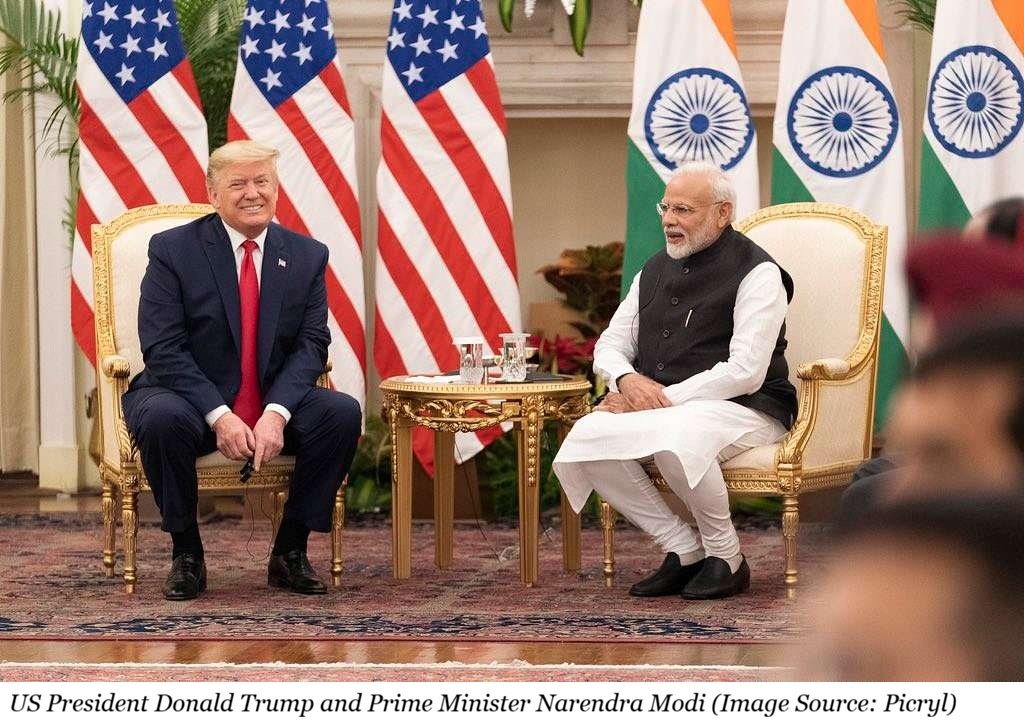
In recent years, trade relations between India and United States (US) have grown rapidly, making the partnership one of the most significant bilateral economic relationships in the world. The proposed India–US Trade Deal is expected to further strengthen economic cooperation, increase trade volume, and promote investment between the two countries. This agreement reflects changing global economic dynamics and the growing importance of India as a major global market and manufacturing hub.
Background of the India–US Trade Relations
India and the US have maintained strong economic relations for decades. Over the last twenty years, trade between the two countries has expanded significantly due to globalization, technological collaboration, and growing market demand.
The US is currently one of India’s largest trading partners. Trade between the two countries includes goods such as pharmaceuticals, textiles, machinery, agricultural products, and technology services. India exports information technology services, medicines, and engineering goods to the US, while it imports advanced machinery, defence equipment, and agricultural products.
The proposed trade deal aims to reduce trade barriers and create a more balanced and transparent trade system between the two countries.
Key Features of the India–US Trade Deal
One of the major objectives of the trade deal is to reduce tariffs on goods and services. Lower tariffs will make exports and imports cheaper, encouraging businesses to expand their operations in both countries.
Another important feature of the deal is investment promotion. The agreement is expected to encourage American companies to invest in Indian manufacturing sectors such as electronics, renewable energy, and infrastructure development. At the same time, Indian companies may receive better access to American markets, especially in the information technology and pharmaceutical sectors.
The deal also focuses on technology transfer and digital trade cooperation. The US is a global leader in technological innovation, and cooperation in this sector can help India strengthen its digital economy and create employment opportunities.
Economic Opportunities for India
The India–US Trade Deal is expected to provide several economic benefits to India. Increased exports to the United States may help India boost industrial production and create new job opportunities. The manufacturing sector, especially under initiatives like “Make in India,” could benefit from increased foreign investment.
The agreement may also help India expand its agricultural exports, including spices, rice, and processed food products. Additionally, access to advanced American technology can improve India’s production efficiency and global competitiveness.
According to reports and economic analysis by the World Bank, stronger trade agreements and reduced barriers between developing and developed nations often lead to economic growth, increased productivity, and higher employment rates.
Benefits for the US
The trade deal would also be beneficial for the US. India represents one of the fastest-growing consumer markets in the world. American companies can expand their presence in sectors such as e-commerce, defence, energy, and financial services.
India’s growing middle class increases demand for high-quality goods and services, which creates new business opportunities for American industries. Furthermore, cooperation with India strengthens supply chain diversification and reduces overdependence on single manufacturing regions.
Challenges and Concerns
Despite its potential benefits, the India–US Trade Deal also faces several challenges. One major issue is trade imbalance. Both countries seek fair trade conditions, and negotiations often involve disagreements over tariff reductions and market access.
Another concern is regulatory differences. India and the United States have different trade policies, labour regulations, and environmental standards, which can complicate the implementation of the agreement.
Domestic industries in both countries sometimes worry about foreign competition. Small-scale industries in India may face competition from American products, while certain American agricultural sectors fear competition from Indian exports.
Strategic and Global Impact
Beyond economic benefits, the India–US Trade Deal also has strategic importance. Strengthened trade relations contribute to stronger diplomatic cooperation and regional stability. Economic partnerships between major democracies can influence global trade systems and promote fair trade practices.
The agreement may also support global supply chain resilience, especially after disruptions caused by global crises such as pandemics and geopolitical tensions.
Future Prospects
The success of the India–US Trade Deal will depend on effective negotiation, balanced policy implementation, and continued cooperation between the two countries. If successfully implemented, the agreement can significantly increase bilateral trade volume and strengthen economic ties.
Experts believe that such trade partnerships can help India achieve long-term economic development goals while helping the United States expand its economic influence in Asia.
Conclusion
The India–US Trade Deal represents an important step toward strengthening economic and strategic relations between India and the United States. The agreement offers opportunities for economic growth, technology exchange, and global trade expansion. However, successful implementation requires careful negotiation, policy coordination, and protection of domestic industries. If both countries manage these challenges effectively, the trade deal has the potential to create long-term economic and diplomatic benefits for both nations.