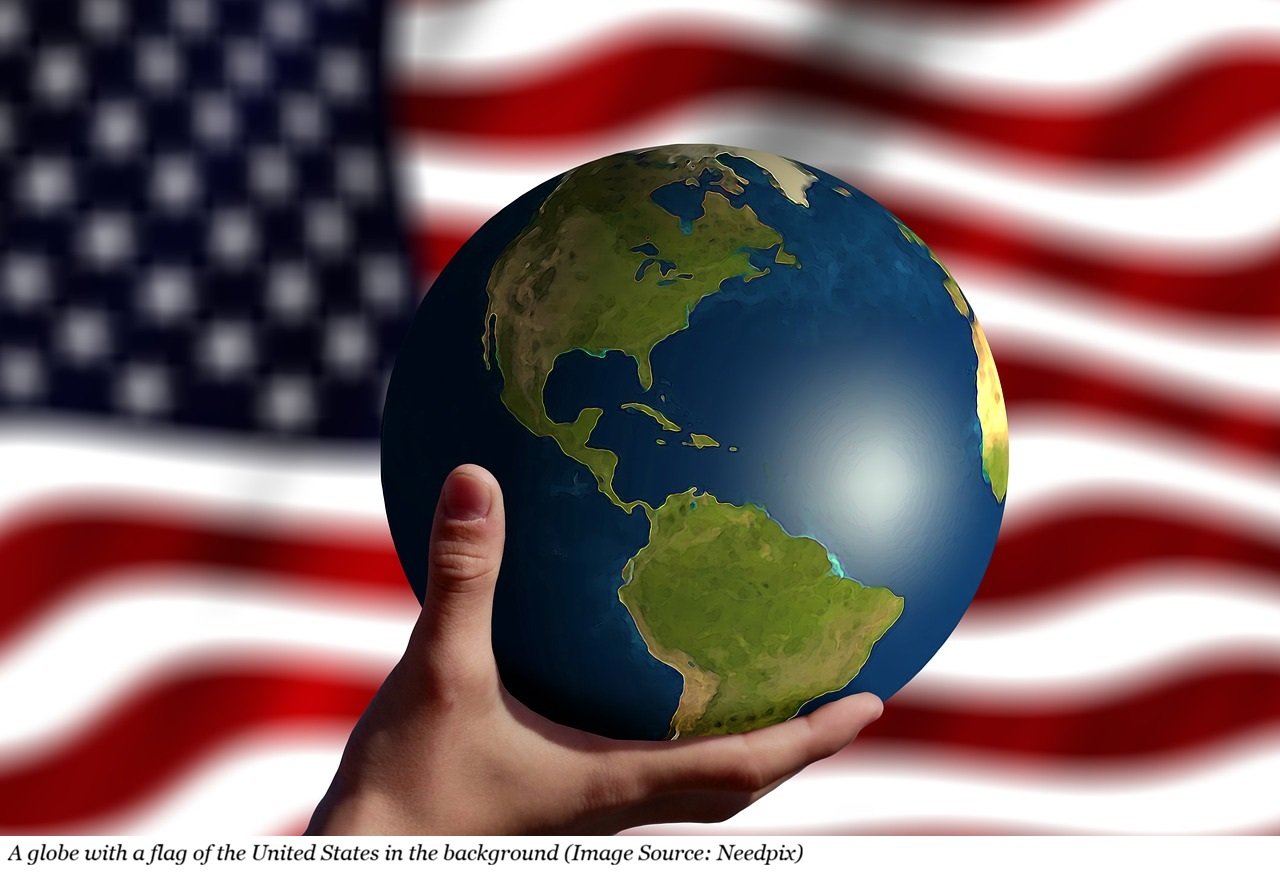
For many decades, the was considered the most powerful country in the world. After World War II and especially after the Cold War, the United States dominated global politics, economy, military power, and cultural influence. This period is often called American hegemony, meaning strong global leadership by one country.
However, in recent years, many experts believe that American dominance is gradually declining. The rise of new global powers, economic challenges, and changing international relations have reduced the United States’ (US) ability to control global affairs alone. The world is slowly moving toward a multipolar system where multiple countries share global power.
Meaning of American Hegemony
Hegemony refers to the leadership or dominance of one country over others in political, economic, and military matters. After World War II, the United States became the leader of the global order. It helped create major international institutions such as the International Monetary Fund (IMF), the World Bank, and the United Nations (UN). Through these institutions, the United States influenced global economic policies, trade systems, and development programs. The United States also maintained military alliances around the world, making it the strongest global security power.
Economic Challenges and Global Competition
One major reason for the decline of American hegemony is increasing economic competition. For many years, the United States was the world’s largest economy. However, the rapid rise of has changed the global economic balance. China has become one of the largest economies in the world and is expected to compete directly with the US in global economic leadership.
China has expanded its manufacturing sector, global trade network, and infrastructure investments across Asia, Africa, and Europe. China’s Belt and Road Initiative has increased its economic influence worldwide. As a result, many countries now trade heavily with China, reducing the US’ economic dominance.
Additionally, global economic crises, such as the 2008 financial crisis, weakened confidence in the American economic model. Economic inequality, rising national debt, and inflation challenges have also affected the US’ global economic influence.
Military and Strategic Limitations
Although the United States still has the world’s strongest military, its global military dominance has faced challenges. Long and costly wars in Afghanistan and Iraq reduced American public support for international military involvement. These conflicts also created financial pressure on the United States economy.
At the same time, other countries have strengthened their military capabilities. China and Russia have developed advanced defence technology, cyber warfare capabilities, and space programs. These developments have reduced the United States’ uncontested military superiority.
Regional conflicts and security challenges have become more complex, requiring cooperation among multiple countries rather than single-power leadership. This shift reflects the changing global security environment.
Rise of Multipolar Global Order
The decline of American hegemony is closely connected to the rise of a multipolar world. Countries such as India, China, and the European Union (EU) and the have increased their global political and economic influence.
India has become one of the fastest-growing economies and an important diplomatic player. The EU remains a strong economic and political force with significant global influence. These emerging powers participate actively in global governance, reducing the United States’ unilateral decision-making power.
International organizations and regional alliances now play a stronger role in global governance. Many global decisions require cooperation between multiple countries rather than American leadership alone.
Political and Diplomatic Challenges
Political disagreements between the US and other global powers have also affected its global leadership. Trade tensions, diplomatic conflicts, and competition for technological dominance have increased global political divisions.
In some cases, countries have started creating alternative global institutions and partnerships that reduce dependence on the US. This trend shows that global power is becoming more distributed and less centralized.
Domestic political polarization in the US has also affected its foreign policy consistency. Changes in government leadership often result in shifts in international policies, which sometimes reduce long-term global trust and cooperation.
Cultural and Soft Power Changes
The US has historically influenced global culture through movies, technology, education, and media. However, cultural influence is now more diversified. Countries such as South Korea, China, and India have expanded their global cultural presence through entertainment, technology, and digital platforms.
The growth of social media and digital communication has also allowed multiple countries to influence global public opinion. This change has reduced American cultural dominance and increased global cultural diversity.
Technological and Economic Transformation
The global technological race has become more competitive. The US remains a leader in innovation, artificial intelligence, and digital technology. However, China and other countries have rapidly developed their technological industries, challenging American leadership in global technology markets.
Global supply chains have also shifted. Many countries are developing domestic manufacturing and technological capabilities to reduce dependence on American markets. This transformation has created a more balanced global economic system.
Is American Power Completely Declining?
Despite these challenges, the US remains a powerful global nation. It continues to lead in military strength, higher education, technological innovation, and financial influence. The US dollar remains the world’s primary reserve currency, which provides strong global economic power.
Many experts argue that American hegemony is not completely disappearing but transforming. Instead of single-power dominance, the US is becoming one of several major global leaders in a multipolar world.
Future Global Power Balance
The future global order will likely involve cooperation between major powers rather than domination by one country. The US will continue to play a significant role in global governance, but it will need to work more closely with emerging economies and international institutions.
Strengthening diplomatic relations, promoting international cooperation, and adapting to new global realities will be important for maintaining American global influence.
Conclusion
The decline of American hegemony reflects major changes in global politics, economics, and international relations. The rise of emerging powers, economic competition, military challenges, and technological transformation have reduced the United States’ ability to dominate global affairs alone.
However, the US remains a strong global power with significant influence. The world is moving toward a multipolar system where several countries share leadership responsibilities. The transformation of American hegemony highlights the changing balance of global power and the growing importance of international cooperation in global governance.