


Asia

Harnessing the Indian-Central Asia Potential: Converging Interests Amidst a Turbulent World Order

“India has several millennia old historical, cultural and civilisational links with Central Asia. Brisk trade of goods, ideas, and thoughts took place from India (and China) to Central Asia and beyond over the Silk Road from 3rd century BC to 15th century AD. Buddhism travelled to Afghanistan, Central Asia and Western China from India through the Silk Road. Alexander of Macedonia, Kushans, Babur, and Mughals and Sufism are evidence of vigorous links between India and the region over the age...
Harnessing the Indian-Central Asia Potential: Converging Interests Amidst a Turbulent World Order

“India has several millennia old historical, cultural and civilisational links with Central Asia. Brisk trade of goods, ideas, and thoughts took place from India (and China) to Central Asia and beyond over the Silk Road from 3rd century BC to 15th century AD. Buddhism travelled to Afghanistan, Central Asia and Western China from India through the Silk Road. Alexander of Macedonia, Kushans, Babur, and Mughals and Sufism are evidence of vigorous links between India and the region over the age...
The Israel-Iran Conflict: Can International Organizations Pass the Test?

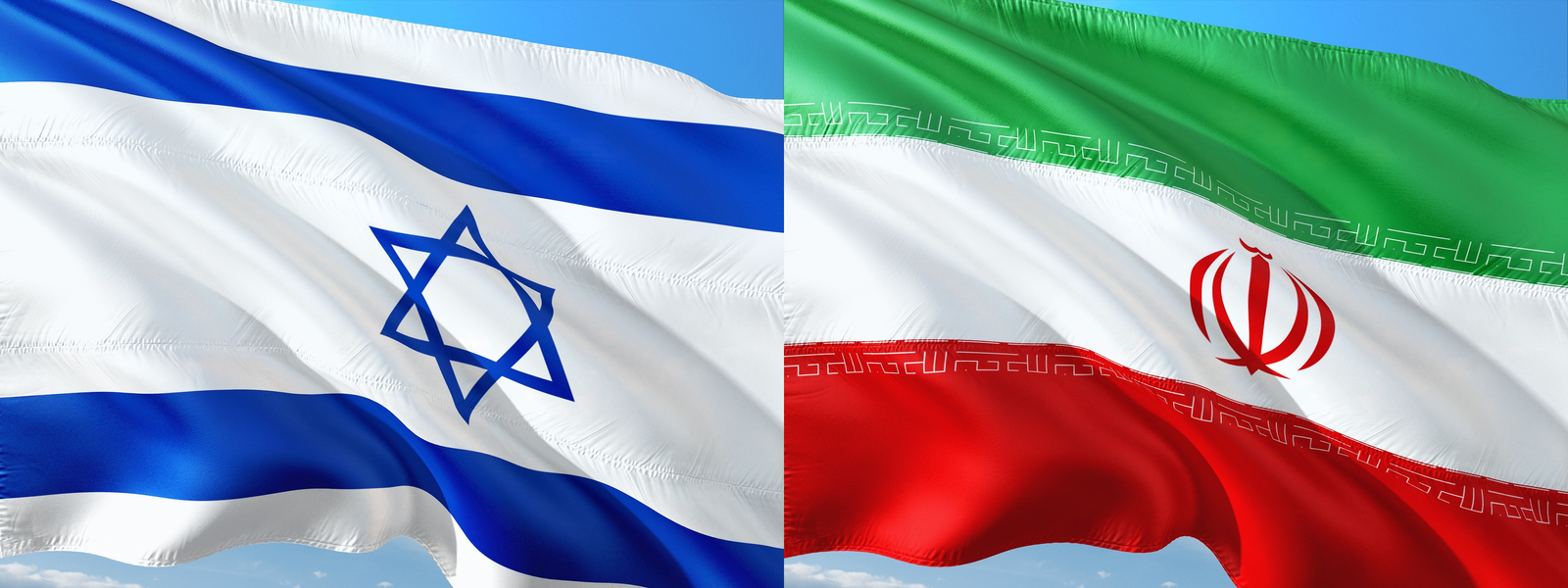
In the vast theatre of international relations, the recent Israel-Iran conflict is akin to a sudden and violent storm, shaking the foundations of international order and casting a heavy shadow over global peace. As missiles fly and gunfire echoes, the international community, armed with the tools of diplomacy and multilateral mechanisms, stands at the forefront of efforts to calm the tempest and restore tranquility. However, the effectiveness of international organizations and multilateral me...

A Non-Traditional Security Moment of BRICS: Southern Bloc’s Response to Its Insecurities

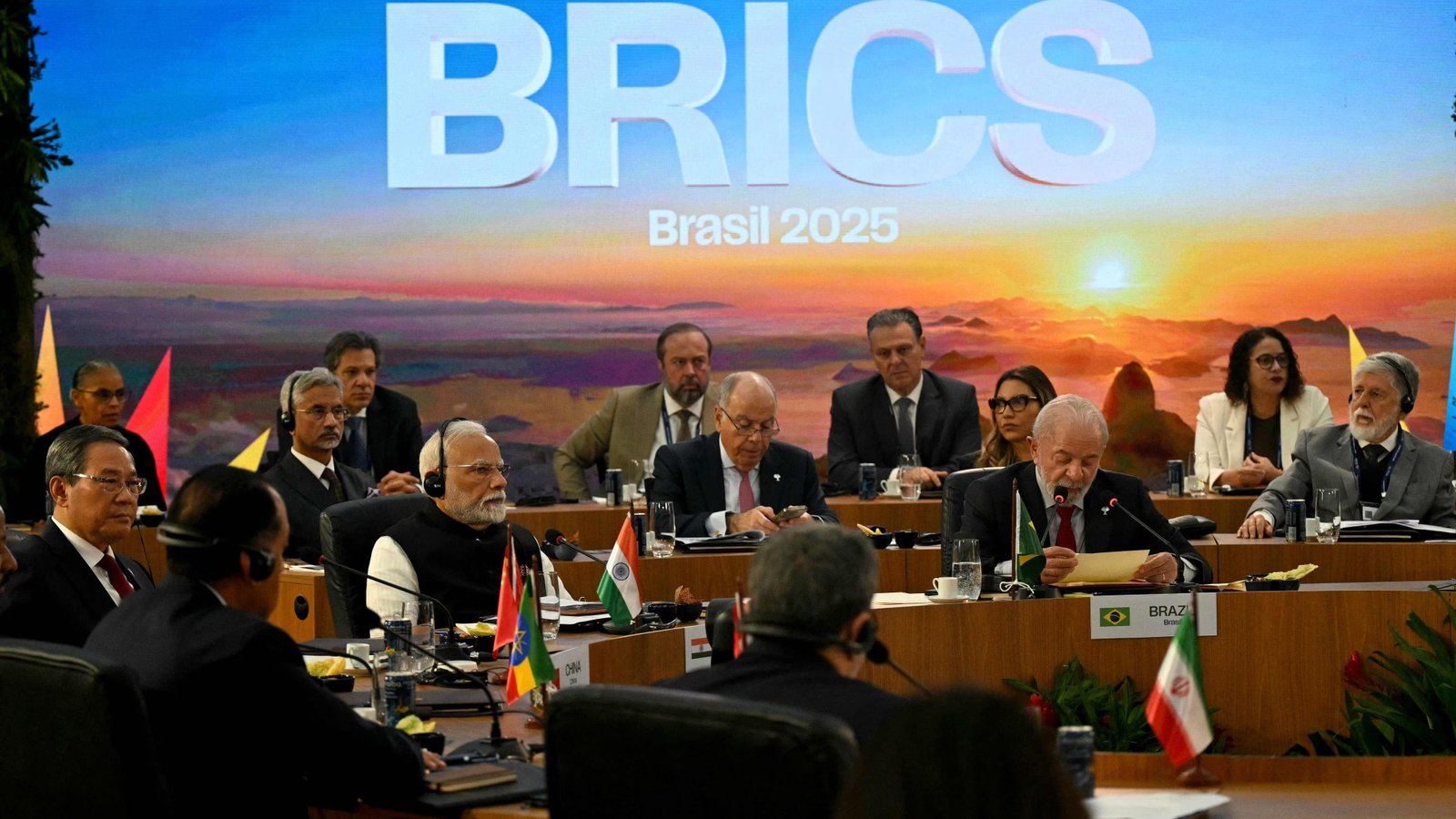
In 2001, a Goldman Sachs Economic Research Report titled, ‘Building Better Global Economic BRICs,’ explored the state of the world economy by emphasizing on the relationship between the G7 countries and the emerging economies of Brazil, Russia, India, and China. A modest group of emerging countries which formally came together in 2010, BRICS has remodelled itself as a revisionist coalition, navigating the ebbs and flows of global politics. Originally a group of five, in recent years, it e...

Global Warming is a Present Emergency, Not a Future Threat

In July 2023, the Earth recorded its hottest day in 1,25,000 years, according to scientists from the University of Maine. Oceans reached unprecedented temperature, wildfires raged across continents, and cities flooded within hours of heavy rain. These were not isolated disasters – they were climate warnings, screaming louder than ever before. Yet, despite scientific certainty and growing evidence, the world continues to respond with the same rehearsed lines: target, timelines, and promises....

With Friends Like These: BRICS, Kashmir, and the Politics of Enmity

All political actions and motives can be reduced to the friend-enemy distinction. This definition is owed to the German jurist Carl Schmitt, a controversial figure among the great names of 20th-century social sciences, who proposed to express, in a concrete and existential sense (in direct opposition to the spiritual-economic dilemma expressed by liberalism), the highest degree of intensity in a bond or a separation, an association or a dissociation.

The enemy does not have to appear ae...

Harnessing the Indian-Central Asia Potential: Converging Interests Amidst a Turbulent World Order

“India has several millennia old historical, cultural and civilisational links with Central Asia. Brisk trade of goods, ideas, and thoughts took place from India (and China) to Central Asia and beyond over the Silk Road from 3rd century BC to 15th century AD. Buddhism travelled to Afghanistan, Central Asia and Western China from India through the Silk Road. Alexander of Macedonia, Kushans, Babur, and Mughals and Sufism are evidence of vigorous links between India and the region over the age...

Is Japan’s Constitutional Pacifism Under Pressure?

Since 1947, Article 9 of the Japanese Constitution has proclaimed that ‘the Japanese people forever renounce war’. This clause, imposed under American supervision, has transformed the archipelago into an economic giant but a strategic dwarf. In 2025, however, the gap between this pacifism in principle and the security reality has never been more glaring. Faced with an increasingly threatening neighborhood, Tokyo is rearming and testing the limits of its legal framework.

A Hardening ...